
About Cloud Computing for final year projects.
www.buyprojectcode.in deals with various codes and projects related to Cloud Computing. We provide coding solution for corporate and final year projects for ME, BE (CSE, IT), MCA, MSc, BCA and BSc. We provide IEEE based projects source code and Documentation.
INTRODUCTION:
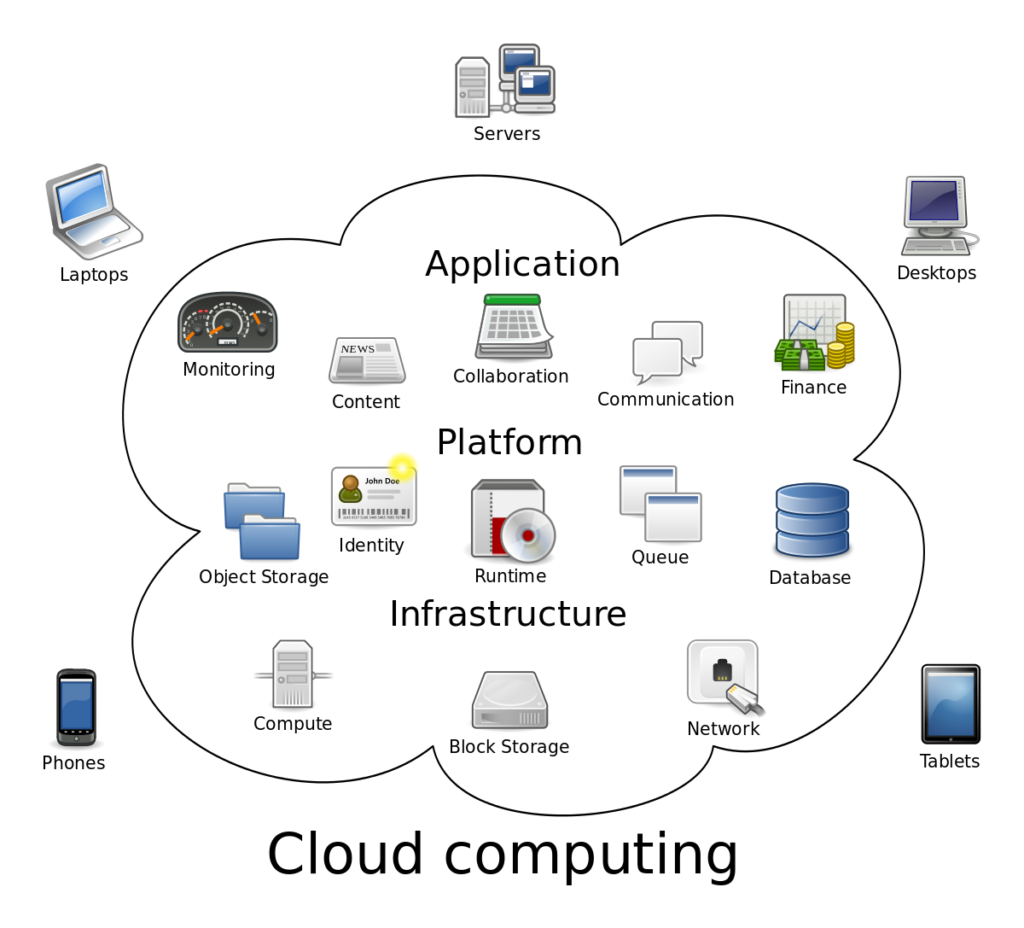
Cloud computing delivers servers, storage, database, software and networking devices
over the cloud. In other words, cloud computing offers computational resources
over the internet. It is mainly classified into 3 categories such as
Infrastructure-as-a-Service (IaaS), Platform-as-a-Service (PaaS) and
Software-as-a-Service. IaaS offers networking devices, servers, and storage
over the cloud. SaaS provides support for the development and maintenance of
the software. For instance, CRM, Email and Games. Instead of just offering the
software PaaS provides an entire platform to develop applications. In other
words, it provides all the hardware and software tools that are required for
developing software. For instance, Database and Deployment tools.
over the cloud. In other words, cloud computing offers computational resources
over the internet. It is mainly classified into 3 categories such as
Infrastructure-as-a-Service (IaaS), Platform-as-a-Service (PaaS) and
Software-as-a-Service. IaaS offers networking devices, servers, and storage
over the cloud. SaaS provides support for the development and maintenance of
the software. For instance, CRM, Email and Games. Instead of just offering the
software PaaS provides an entire platform to develop applications. In other
words, it provides all the hardware and software tools that are required for
developing software. For instance, Database and Deployment tools.
CLOUD COMPUTING IN RESEARCH PROJECTS:
The research topics include Big Data, IoT, Edge Computing, Load balancing,
Cryptography, and Cloud Security. In addition, you can simply store your data
in the cloud, process it and get the required output.
Cryptography, and Cloud Security. In addition, you can simply store your data
in the cloud, process it and get the required output.
For instance, Consider an Accident Detection System using IoT, You can simply store
all your sensor details (GPS, MEMS, GSM) in the cloud. Process all your data in
the cloud such as comparing the values of the MEMS sensor to a threshold value.
In case of an accident, send the location details to the subscribed numbers
stored in GSM.
all your sensor details (GPS, MEMS, GSM) in the cloud. Process all your data in
the cloud such as comparing the values of the MEMS sensor to a threshold value.
In case of an accident, send the location details to the subscribed numbers
stored in GSM.
CLOUD DEPLOYMENT MODELS:
Public Cloud: Public cloud supports multi-tenant model. In other
words, multiple people can share and use the resources independent of each
other. The management and maintenance of cloud services are provided by the
cloud service provider. Anyone with access to the internet can use public
cloud. For instance, AWS, Google Cloud,
and Microsoft Azure.
words, multiple people can share and use the resources independent of each
other. The management and maintenance of cloud services are provided by the
cloud service provider. Anyone with access to the internet can use public
cloud. For instance, AWS, Google Cloud,
and Microsoft Azure.
Private Cloud: Private cloud follows a single-tenant model. The
data of a particular organization is stored and processed in the cloud. The
maintenance of the resources is done by the organization. Only people with
access can use and modify the data in the cloud. For instance, Amazon virtual private cloud and VMware
private cloud.
data of a particular organization is stored and processed in the cloud. The
maintenance of the resources is done by the organization. Only people with
access can use and modify the data in the cloud. For instance, Amazon virtual private cloud and VMware
private cloud.
Hybrid Cloud: It combines all the features of the private and
public cloud. For instance, Hitachi.
public cloud. For instance, Hitachi.
Community Cloud: The cloud services are shared by the organizations that
belong to the same community with some common interest.
belong to the same community with some common interest.
WORKING: Cloud Computing offers permission to users to store and retrieve files online. The
users can access all the required resources at a low cost. The cloud is
considered as a system with front-end and back-end. The back-end refers to the
cloud itself whereas front-end refers to the users or computers. The front end
runs the applications, which is used to access the cloud. The back-end consists
of servers, storage, and networking devices that make the cloud.
users can access all the required resources at a low cost. The cloud is
considered as a system with front-end and back-end. The back-end refers to the
cloud itself whereas front-end refers to the users or computers. The front end
runs the applications, which is used to access the cloud. The back-end consists
of servers, storage, and networking devices that make the cloud.
FUNCTIONALITIES:
On-demand-self-service:The users can monitor their allocated resources and their usage. In case of any
demand, they can request for new resources at any time and get it.
demand, they can request for new resources at any time and get it.
Resource-Pooling:
Cloud Computing follows the multi-tenant model. The virtual resources are
assigned and can be reassigned depending upon the demands of the customer.
Cloud Computing follows the multi-tenant model. The virtual resources are
assigned and can be reassigned depending upon the demands of the customer.
Pay-as-you-go:
The users will be charged depending upon the number of resources and the amount
of time they use them. In other words, Pay for what you use.
The users will be charged depending upon the number of resources and the amount
of time they use them. In other words, Pay for what you use.
Elasticity:Cloud
services are highly scalable. Any number of users can access the cloud
resources at any particular time.
services are highly scalable. Any number of users can access the cloud
resources at any particular time.
Location Independent: The users can access the resources from
the cloud or store their data to the cloud anywhere just with an internet
connection.
the cloud or store their data to the cloud anywhere just with an internet
connection.
ADVANTAGES OF CLOUD COMPUTING PROJECTS:
Economical:
The main advantage of the cloud is its low cost. You pay for only what you use
and there are no extra charges. From small start-ups to huge firms everyone can
use cloud services.
The main advantage of the cloud is its low cost. You pay for only what you use
and there are no extra charges. From small start-ups to huge firms everyone can
use cloud services.
Reliability:
The general replication factor for a cloud is three. Therefore, if one server
crashes the data can be retrieved from other servers. The companies can easily
recover in case of any failure.
The general replication factor for a cloud is three. Therefore, if one server
crashes the data can be retrieved from other servers. The companies can easily
recover in case of any failure.
Management:
The cloud vendor manages everything. You just need an internet connection to
access the resources.
The cloud vendor manages everything. You just need an internet connection to
access the resources.
Upgradability:
The cloud vendor updates the software in the cloud to the latest version so
that you will work on the latest version of the software always.
The cloud vendor updates the software in the cloud to the latest version so
that you will work on the latest version of the software always.
Security:
Since cloud follows multi-tenancy, everyone on the cloud will have a shared
risk of failure. The cloud vendor has certain policies at a high level to
provide security.
Since cloud follows multi-tenancy, everyone on the cloud will have a shared
risk of failure. The cloud vendor has certain policies at a high level to
provide security.
APPLICATIONS:
1. To store and access files online
2 .Video making software
3. Anti-virus
4. Editing software
5. Music cutting software
6. File converters
7. Backup and Recovery software
8. Test and Development tools
FUTURE OF CLOUD COMPUTING:
Storage:
The data is generating in a high volume leading to big data and analytics. The
companies prefer cloud to store their data so the cloud vendors have to
increase their storage capacity.
The data is generating in a high volume leading to big data and analytics. The
companies prefer cloud to store their data so the cloud vendors have to
increase their storage capacity.
Security:
Similarly, Introduce certain policies and codes that provide security at a high
level. The cloud is safe but not completely secure.
Similarly, Introduce certain policies and codes that provide security at a high
level. The cloud is safe but not completely secure.
IoT in the cloud: IoT (Internet of Things) is an emerging
technology. The combination of cloud and IoT can reap various benefits in real-time.
IoT requires many machine to machine communications that can be easily
implemented using the cloud to provide enhanced performance.
technology. The combination of cloud and IoT can reap various benefits in real-time.
IoT requires many machine to machine communications that can be easily
implemented using the cloud to provide enhanced performance.
CONCLUSION:
In conclusion, the cloud is mainly used for data storage. It provides computing
resources over the internet. It offers Infrastructure, Platform, and software
as a service. The cloud can be used in many applications.
Above all, it has various advantages such as pay as you go, low cost, security,
etc.
resources over the internet. It offers Infrastructure, Platform, and software
as a service. The cloud can be used in many applications.
Above all, it has various advantages such as pay as you go, low cost, security,
etc.
For Engineering Projects :
For project execution based details, kindly refer
For FAQ (Frequently Asked Questions), Kindly Refer:
Follow us on:
Thank you for choosing www.buyprojectcode.in.
I am glad to be a visitor of this stark website, appreciate it for this rare info!